
Memory Stones series
Never Again what?
There are two schools of thinking on the matter of the way of commemoration of our tragic Jewish past in the parts of the world where Jewish life has been eradicated during Holocaust so efficiently. According to one school, everything ruined should be restored, for the sake of historical fairness if not for any other sake. The representatives of the other school are more pragmatic and they are asking: who will be praying in those restored giant synagogues? Is it good and proper if they will be staying empty?
I can see the points in both opinions, actually. Normal human logic prescribes to restore the objects which were destroyed. But normal human logic also wonders on who will be going there. The fact is that that unspeakable sadness which has become the overwhelming, ever-lasting constant after the Shoah is still in effect, 75 years on, three generations after the end of the Second World War. Will it ever go away? No, it will not. Such is the character of the crime committed against the Jews in Europe.  Michael Rogatchi (C). Shtetl Memories IV. Homage to Devilspiel novel by Grigory Kanovich. Mixed technique. 50 x 40 cm. 2020.
In those places which were not made if not entirely Judenfrei, but quite close to that, the vicious goal has been almost achieved to the chilling effect, with the consequences palpable to this day. Eradication of Judaism in the vast part of Europe has been successful to a stunning proportion.
This change is qualitative. It has to be admitted and understood as it is. Without these irrelevant ‘never again’ chants. Never again what? It is never again already: never again Volozhin, Mir and all this myriad of great yeshivas will be teaching Jewish boys in Lithuania, Ukraine, Poland, and all the places where they were flourishing. Never again there won’t be charming self-sufficient life streams in all thousands of shtetls all Eastern and Central Europe however modernised it all could be with time. Never again hundreds of Jewish professors will be teaching thousands of students all over in Poland, Germany, France and any other places. Never again Jewish musicians will bring that brilliance to their home countries all over Europe. Never again millions of Jewish people, substantially more than six million, will be living all over the places they lived during centuries enormously and indisputably enriching European economy, trade, science, industry, culture, everything. It. Will. Never. Happen. Again. Period.
So, how to commemorate the life and the people which had been destroyed in all this unspeakable cruelty with all this barbarian enthusiasm?
Der Vaser-Treger on the Vilna street
On Monday, October 19th, 2020, a new sculpture was unveiled right on the street of Vilnius. The place is the corner of Lidos and Kedainiu streets, the one of the entrances into the Vilnius Jewish ghetto. Some people with whom I am speaking today, are calling it, fully organically for themselves, ‘former Jewish ghetto’. I understand what they mean. For me, the Vilna Jewish ghetto, as any other our ghetto anywhere in the world, is always in present tense. I just feel like that. But there are some ghettos in which the air is an open wound. Vilna ghetto is just like that, for me, my husband and some of our friends.  Romualdas Kvintas (C). The Water-Carrier. Bronze. 2010. Unveiled in Vilnius on October 19, 2020. Courtesy: Egle Kvintiene. With kind permission of Egle Kvintiene.
So, the street has its new street-walker, the one casted in bronze, of a human figure size. His face is beautiful. He looks up. Many of us do. And did, always. Such a habit. The shape of his figure brings us a hundred years back, at very least. There is a well-known photograph of a similar figure, alive man, from a Vilna street taken in 1922. The minister of Foreign Affairs of Lithuania, a known friend of Israel, Linas Linkevičius, has referred to that picture in his tweet about the recent event. There is another similar picture from Vilna taken five years earlier in 1917, which exists on the archival postcard in the collection at Beit Hatfutsot, The Museum of Jewish People in Tel-Aviv.  Archive photo of water-carrier from Vilnius. 1922. Courtesy: The Library of Congress, the USA. No reproduction restrictions.
In a nice ceremony organised by the City of Vilnius and Vilnius Mayor Remigijus Šimašius, and supported by the Embassies of the Netherlands and Germany, gathered 30 people, the maximum permitted by the corona restrictions. The ceremony commemorated the second anniversary of the death of the author of that soulful sculpture, The Water Carrier, Der Vaser-Treger in Yiddish, Romas Kvintas, the outstanding Lithuanian sculptor who passed away so tragically and so early in October 2018. I have written about Romas and his input into the our commemoration process before, just after his death, in connection with his sculpture of Leonard Cohen which is also on the street of Vilnius.
Romualdas Kvintas and his Way of Memory
In a paradoxical phenomenon, due to the number of reasons, the outside world beyond culturally sophisticated and advanced, but laconic behaviourally countries, such as Lithuania or Czech Republic, do not necessarily know enough about big artists and cultural figures there, as it ought to. Romualdas Kvintas, or Romas as he was known to his family and friends, is one of those artists. He is widely known and appreciated in Lithuania, but not that much outside it as he should have been.
There are millions of tourists who are coming to Vilnius annually, all of them are seeing Romas’ sculptures in bronze all over the city, and the same is the case outside Vilnius, all over Lithuania. Kvintas was a Master: top professional who worked very fast, but always in a great fashion, a deep person, soulful thinker, he produced his sculptures with love and understanding. Rare love and rare understanding. His works are the rare case when a bronze and stone figures communicates with a viewer in a special way and conveys palpable emotions.  Sculptor Romualdas Kvintas ( 953- 2018). Courtesy: (C) Egle Kvintiene. With kind permission of Egle Kvintiene.
Kvintas knew precisely not only what and whom he was sculpting , but also why. His tributes to the leading Jewish figures of Lithuania, which are – importantly – are also the leading figures in the entire Jewish heritage, are works of love, and for that, our appreciation of Romas Kvintas’ contribution in the process of living memory will last forever.
In the case of The Water Carrier, Der Vaser-Treger, the story which was told to me by Romas’ widow Egle Kvintiene tells that Kvintas was working on a big project which included possible numerous sculptures, bas-relieves, and other possible sculpting creations which would be placed all over the territory of the former Jewish ghetto of Vilnius, as a sign of commemoration to the people and culture which had been whipped off from the Jerusalem of the North for good.
‘Romas has finished the 3D model of this Water Carrier ten years ago, in 2010, and then, sadly, there was not enough interest to place the sculpture. There were various ideas regarding the suitable place, but it ended nowhere at the time. But now, fortunately, it is not just placed in the ( Vilnius) down-town, it stands at the place which was the one of the entrances of the ( Jewish ) ghetto. You cannot make it more symbolic”, – Egle has told me. Indeed.
Lasting Gift of Friendship
It was largely thanks to two notable personalities in Lithuanian culture, both close friends of Romualdas Kvintas that his charming, warm, evocative Der Vasser-Treger had been erected on the Vilnius street now, ten years after its creation and two years after its creator’s death. Romas’ widow Egle has told me with warm gratitude that former long-term principal of the Vilnius Academy of Arts Audrius Klimas and well-known Lithuanian architect Alvidas Songlaila had put forceful effort in order to make the Water-Carrier standing in the street of the former Ghetto in Vilnius.
The one of the leading Lithuanian designers, professor Audris Klimas himself has navigated me through the details of the story behind the erection of this new sculpture in Vilnius: it has to be finished, casted in bronze ( a very good work has been done by Martynas Gaubas and Rimantas Keturka ), and importantly, a prominent and suitable place has to be found, with getting all the necessary permissions and funding. “ Fortunately, we in Vilnius, as in many European capitals, do have a special ongoing program for public art, and this is within this program that the City of Vilnius decided in support of our application of The Water Carrier project” – professor Klimas has told me. Good for the City of Vilnius and for its Mayor Remigijus Simasius who decided this way and who is consistent in his policy in this regard.  Ceremony of unveiling The Water Carrier sculpture in Vilnius. 19 October 2022. Photo : (C) Saulius Ziura. With kind permission of The Water Carrier project, Lithuania.
I personally would like to see more decisions like that in so many European cities which do have this program, and which do have so many reasons for statues like that, from Barcelona to Prague and from Paris to Krakow, but so far, we haven’t to see this kind of sculptures on the streets of those and so many other cities. So many others.
Unveiled on the sad second anniversary of Romas Kvintas’ passing, his Water-Carrier stands now just next to a new stylish building resolved in the style of the historical epoch of the architecture of Vilnius downtown. The building is authored by another close friend of Kvintas, known Lithuanian architect Alvidas Songaila. I was told that Romas used to work with his architect friend closely in anything regarding many architectural decisions for his sculptures, during many years.
I am thinking of that so special gift of friendship. What would we all do without it, without our friends? In the case of truly important for Vilnius work of Lithuania’s best sculptor, it is solely thanks to the love, memory and devotion of his friends that his memory has been honoured in the way which has become a cultural and historical lasting commemoration.
Inspiration In Parallel Worlds – and Time
Kvintas’s widow and his friends did share with me the background and source of inspiration for Romas while he was working on his Vaser-Treger. “ Romas got the inspiration for his sculpture from that famous Moyshe Kulbak’s poem, Vilno”, – tells Egle. “ Yes, it was exactly from that canonic Kulbak’s poem that the personage for this sculpture came to Romas’ mind’ , – mentioned also prof. Klimas.
More precisely, Kulbak’s image comes from these lines that back in 1926 he dedicated to the city he loved:
You are a dark amulet set in Lithuania
Old grey writing – mossy, peeling.
Each stone a book; parchment every wall.
Pages turn, secretly open in the night,
As, on the old synagogue, a frozen water carrier,
Small beard tilted, stands counting the stars.
At the earlier stage of this special project, it was discussed a possibility to engrave the quote from Kulbak’s poem on the sculpture’s initially planned base under the figure in eight languages. Now, the Water-Carrier ‘walks’ straight on the street, so there is no basement, but anyone can read the whole story about the sculpture, its author, Kulbak and his poem in an efficient way of sharing QR-code on a smartphone from a wall nearby the sculpture.
Moyshe Kulbak is the one of the leading names in the group of superbly talented Litvak poets, writers, artists and musicians from the first third of the XX century. He was the star even in such a star-made group, and his Vilno poem, the source of Romas Kvintas idea and inspiration for his Der Vasser-Treger, has become a canonic one, far beyond the circles of Yiddish and Jewish cultures.  Poet Moyshe Kulbak ( 1896 – 1937). Open Sources Archive, The Water-Carrier Project.
After torturous interrogations, along with more than 20 other Jewish writers Moyshe Kulbak was murdered by the NKVD in Minsk on 29th October 1937. Almost all his family perished tragically in the Minsk ghetto a few years later. His wife was a prisoner of Gulag for over 10 years, and his youngest daughter Raya who was found by Kulbak’s survived brother after the Second World War in one of the orphanages in Soviet Union, is living with her family in Israel nowadays.
There has been the most interesting twist of synchronised inspiration that has occurred with regard to this symbolic Der Vaser-Treger figure almost a century ago. Looking into some historical material, I found the poster of the performance played at the Yiddish Art Theatre in New York 86 years ago, in December 1936.  Poster for Der Vaser-Treger play performance at the Yiddish Art Theatre in New York, December 1936. Courtesy (C) American Jewish Historical Society. Permitted for reproductions in cultural and educational publications.
The play which is Der Vasser Trager, had the Water Carrier as its central personage, and there were even Lithuanian personages in it, like Jewish merchant from Lithuania and some others. The author of the play was Jacob Prager who lived before the Second World War in Warsaw, in close proximity to Vilnius. According to my research supported by some YIVO documentation, Prager was known for creating some of characters in his plays from the poems popular at the time.
As Moyshe Kulbak wrote his Vilno poem ten years before the Prager’s play was performed in New York, and as he was a cult figure among Yiddish intelligentsia both in Lithuania and Poland, Prager definitely knew that poem well. My guess is that his Der Vaser-Tregger theatrical hit in the mid-1930s in New York with the main character of Simcha Vaser-Treger was quite likely inspired by Kulbak’s poem, as well, the same as Romas Kvintas sculpture 80 years later. And what a painful irony turned it out to be the Water-Carrier’s name in the play. Simcha means joy in Hebrew, and it was very popular given name among our people always, before the Shoah yet more so.
One of my great uncles, a renowned doctor, was Simcha too. He survived by hiding in France, but his son, also a doctor, as his father, did not. Simcha’s son Alexander who escaped just after the occupation from France to Switzerland in an extremely daring escape and who tirelessly treated his brethren in the DPC in northern Italy, was infected by typhus and died aged 29.
The resemblance of the Water-Carrier on the Yiddish Art Theatre poster of 1936 and the bronze sculpture on the street in Vilnius today is remarkable. Yet, Romas Kvintas never saw it. We all, Kvintas’ widow and his friends, and I and my husband just love the fact of this incredible spiral of creative inspiration and humanity that whirled around the globe and time in this special Water-Carrier small figure.
Enlightening Memory and the Drama of an Orphaned Street
The first reaction that I have heard to the appearance of a bronze Jewish Der Vaser-Treger on the Vilna street from the residents of the city was from a 40-something IT-manager, who is not Jewish. He lives in the house on the street with a sculpture. This modern Lithuanian man has said: “ I am glad that every day I will be going to work and to return home walking next to this figure of that water-carrier. I am glad because the figure and everything that is behind it does remind us about the Vilnius where we all have come from. And this is enlightening memory”. I was glad to see such a normal human reaction.
Of course, I am fully aware of the situation regarding the ongoing struggle around recognition of guilt with regard to the local collaborators of the Nazis in Lithuania. I know about the continuing efforts of those who strive to revise the factual history of the Shoah in Lithuania – and many other European countries – to insist that some of the collaborators should be regarded as national heroes by Lithuania.
I know about smashed memorials to the victims of the Holocaust and about flowers and candles next to the outrageous memorial desks to the people who would be justly treated as military criminals in Germany and many other countries. I am in Lithuania often and am following the situation there closely. My and my husband’s families are Litvaks. We do care.
Very much as in the case with the sculpture in the Vilna street, my thought was that there are so many European countries that had had all the reasons in the world to name the one of years to honour their noble Jewish sons and daughters, and to mint some memorable collectible coins as so well deserved by never delivered tribute to their memories , from to , and from to.
The erection of the Jewish symbolic figure in the centre of Vilnius has revived the conversation about the topic which is still hot in Lithuania today. Some people, again, not Jewish ones, have observed with this regard: “ Despite all those memorial plaques, at the Holocaust spots including ( like in Paneriai forest) , we still cannot admit our guilt. We just need conscience and courage to do that, but we still lack it”.
What is important here is that those are reactions and thoughts of ordinary people, not politicians, not public figures. It is the reactions of these people which always tells about the real ‘temperature’ and conditions of a given society.
There are also those from Lithuanian public today who have mentioned with regard to the Water-Carrier: “It is the message for those who want and who can understand”. Exactly so.  At the unveiling ceremony of Romualdas Kvintas’ The Water Carrier sculpture. Photo: (C) Saulius Ziura. With kind permission of The Water-Carrier Project.
From that perspective, the words of Bonnie Horbach , the Ambassador of the Netherlands in Lithuania who was actively and kindly supporting the Water-Carrier project, the words that she said at the opening ceremony in Vilnius are the words of so natural human attitude:
“We all share the history of what happened here in the Second World War, and we all have a responsibility to investigate that history, even when it’s uncomfortable. Because it’s only then that we can understand what happened at that time. The statue of the Water Carrier is a constant reminder of the promise we made to acknowledge the inconvenient truth to ensure such a history will not repeat itself” ( Ambassador Bonnie Horbach, Opening remark at the Water-Carrier sculpture unveiling ceremony, Vilnius, Lithuania, October 19, 2020).
Elie Wiesel’s one of the most often used phrases in his both speeches and writings was ‘and yet, and yet’. This phrase said in Elie’s voice so many times still sounds in my head. When the subjects were those which dear Elie had to cover for over 70 years – just imagine – there always were ‘and yet, and yet’, and more of ‘and yets’.
Remembering our dearest friend, and especially at the times when I deal with this ever present in our conscience – and sub-conscience – theme of my annihilated people, I am saying Elie’s ‘and yet’ again when thinking on Vilna Street and its new inhabitant, the Water-Carrier, Der Vaser-Treger, Jewish man named Simcha, with all that piercing irony in that naming just before the WII that one just cannot invent.
And yet, a few days after unveiling the sculpture, I received another photo of it from my Lithuanian friends.  Arunas Kuliskausjas (C). Yesterday in Vilnius. 2020. With kind permission of the author.
One of international Litvaks, dear friend, reacted in the way that resonates with every single Litvak world-wide, I am positive on that: “ Where are you, Jews? I brought some water for Shabbes dinner…”.
The original capture of the work by its author, known Lithuanian photographer Arunas Kulikauskas, says it all, to me. It is simple: “Yesterday in Vilnius”.
All the years after the extermination of the Lithuanian Jewry, the streets of Vilna were depressingly, very sadly blank-empty, despite any number of people walking there, for the Jews who remained. It was always the case, all the years from 1945 onward. There is such sadness from a dust of memories on the walls, in the air, under your feet, such a tangible heart-ache when you are walking there and looking into the inner court-yards, such helplessness, such never going away pain. This is the Jewish Vilna legacy after the Shoah, permanently so.
This sepia photo portrays it exactly. Before, until October 19th, 2020, these streets with its street lights were completely orphaned for us, Jews. They were orphaned for 75 years. From now on, at least our Simcha , Der Vaser-Treger is there, standing for all of us. More far more importantly, for all of them.
Aciu, dearest Romas for thinking of us and making your Water Carrier as real, as one can make real a soul in bronze. Aciu, dear Audrius, Alvidas, Remigijus and all those who did help Romas’ Water Carrier to stand up there now, to make this street of Vilna a bit less orphaned. Just a bit.

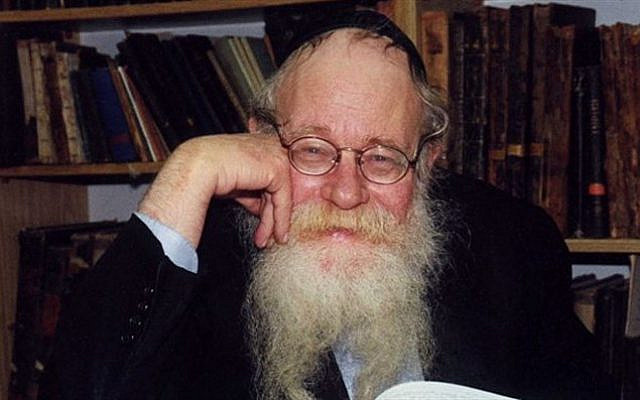 Rav Adin Even-Israel Steinsaltz. Courtesy: Steinsaltz Centre.
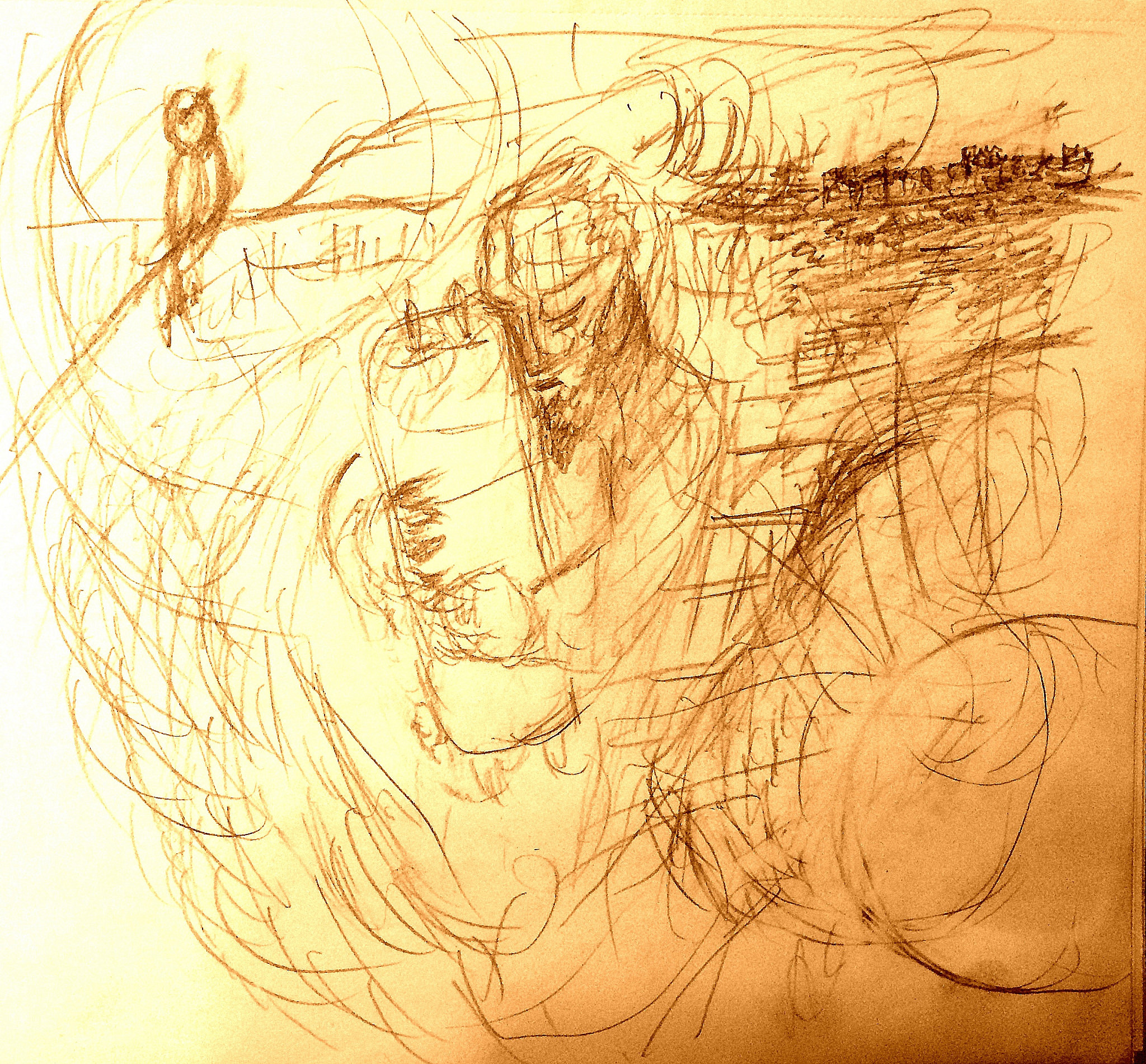 Michael Rogatchi (C). Eretz Israel. Journey in Time. Pen on cotton paper. 40 x 50 cm. 2016. Homage to Rav Adin Steinsaltz.
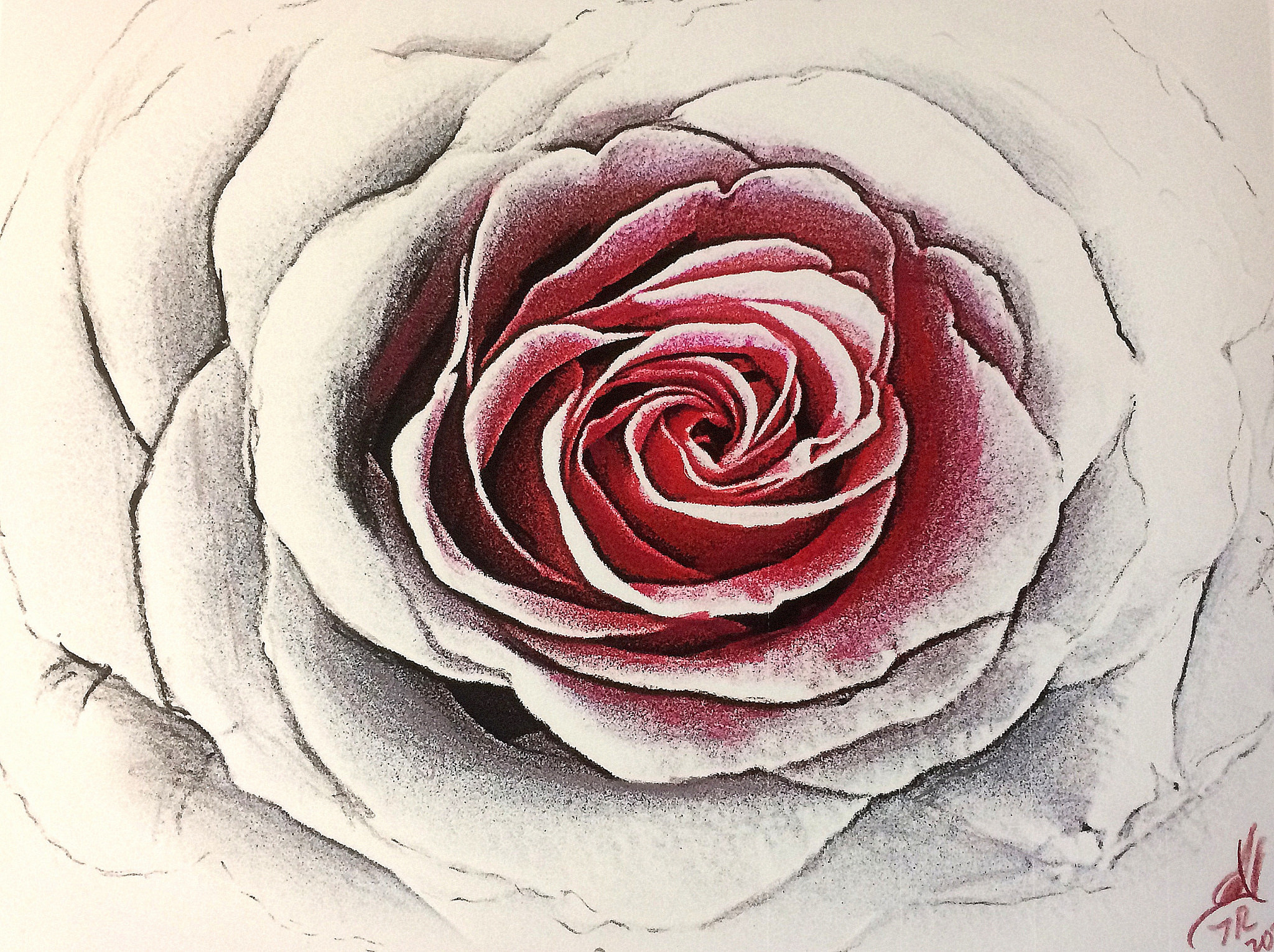 Inna Rogatchi (C). The Thirteen Petalled Rose. Homage to Rav Adin Steinsaltz. The Garment of the Moon series. Lapice pastel, crayons Luminance on authored original archival print on white cotton paper. 30 x 40 cm. 2020.
 Inna Rogatchi (C). Clouded View. Watercolour, crayons Luminance on authored original archival print on cotton paper. 30 x 40 cm. 2020.


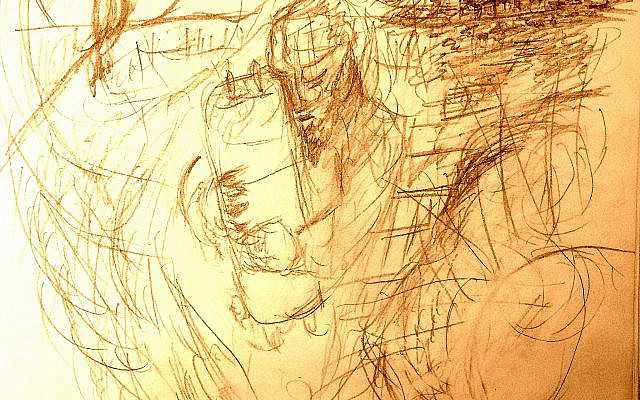 Michael Rogatchi (C). Eretz Israel. Journey in Time I. Pencil on white cotton paper. 30 x 40 cm. 2016. The Rogatchi Art collection.
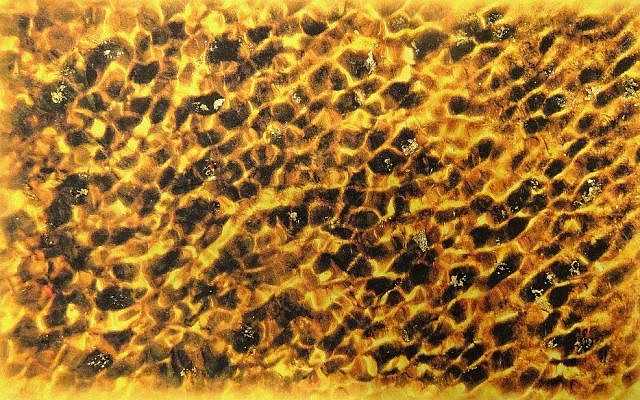 Inna Rogatchi (C). The Light of the Torah I. The Light of the First Day project. Watercolour, crayons a encre, oil pastel, hand-applied gold leaf on authored original archival print on cotton paper. 30 x 40 cm. 2018-2019. Private collection, Israel.
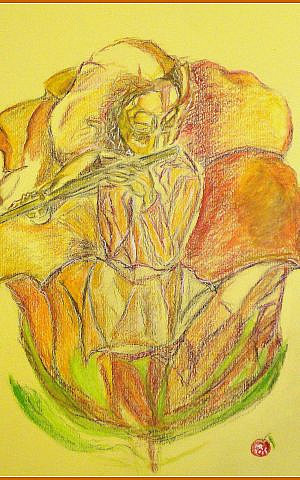 Michael Rogatchi (C). Shavuot Rose. Indian ink, oil pastel on yellow Italian hand-made cotton paper. 50 x 35 cm. 2015.
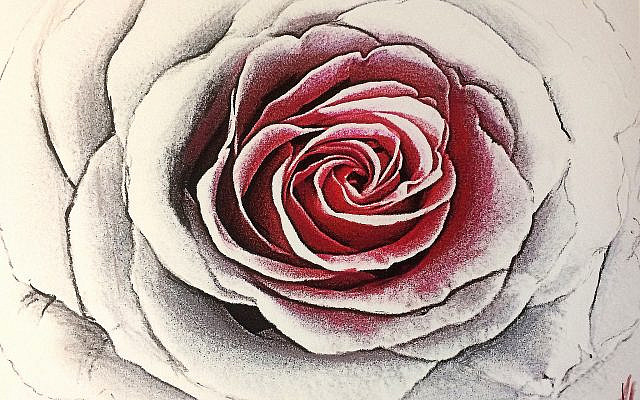 Inna Rogatchi (C). The Thirteen Petalled Rose. The Garment of the Moon series. Lapice pastel, crayons Luminance on authored original archival print on white cotton paper. 30 x 40 cm. 2020.
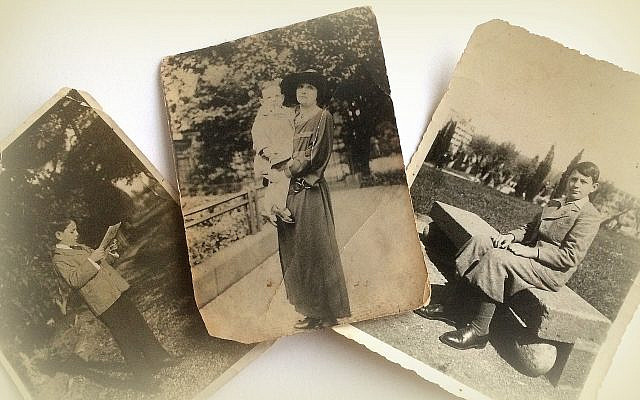 Simcha Bujanover and Eleanor Rose family and their son Alex in Berlin in the 1920s and in Paris in the 1930s. (C) Inna Rogatchi archive.
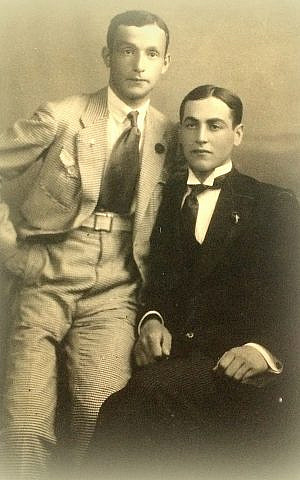 Chaim and Simcha ( sitting ) Bujanover brothers in Zurich, before the Great War. (C) Inna Rogatchi Archive.
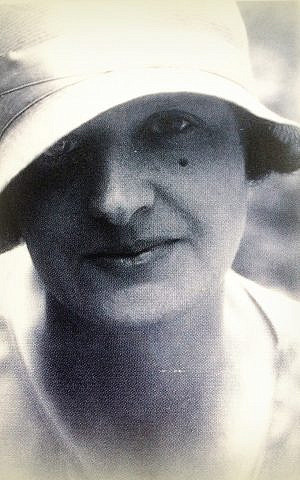 Eleanor Rose in the 1920s in Berlin. Rose Family Archive.
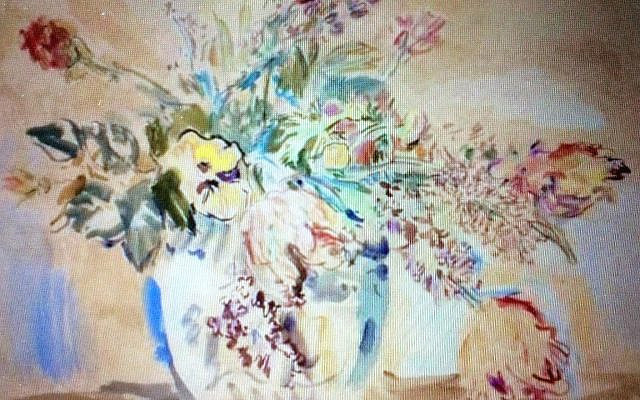 Oscar Kokoschka (C). Still-Life. Watercolour. 1942. The artist created this work as his gift to Arnold Rose in 1942. Kokoschka’s inscription on the art work reads: “To the god of the violin, in your winter of exile”. Courtesy: The Gustav Mahler-Alfred Rose Collection , Music Library, University of Western Ontario, Canada – The Mahler Foundation.
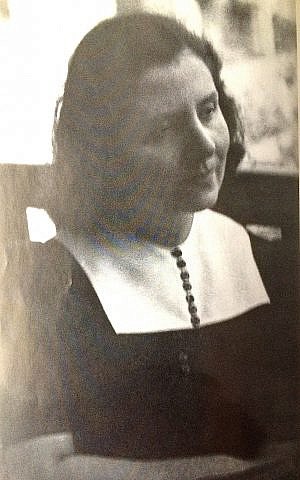 The last photo of Alma Rose taken by Paul Staercke in Amsterdam in December 1942 just shortly before Alma’s attempt to run to safety. Photo courtesy: Staercke family archive. The copy of the photo is shown in the Richard Newman’s Alma Rose. Vienna to Auschwitz book, 2000. Newman received the photo on his request from Marye and Paul Staercke in the 1980s.
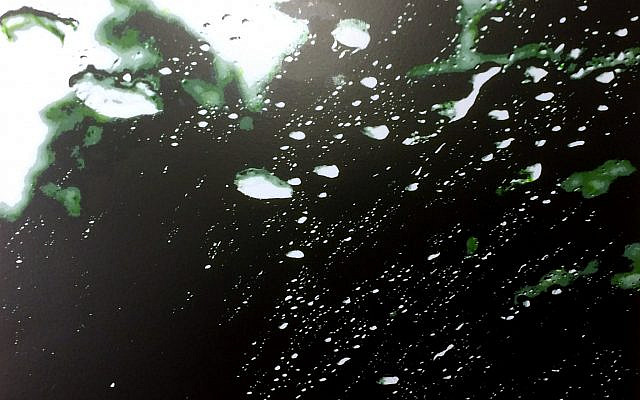 Inna Rogatchi (C). Reading Elie Wiesel. Watercolour, Indian ink on authored original archival print on cotton paper. 40 x 40 cm. 2018-2019. Ghetto Waltz series.
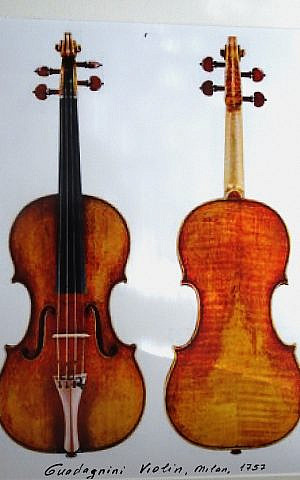 Inna Rogatchi (C). Alma Rose Guadagnini 1757 violin. Milan. Presentation material. (C).
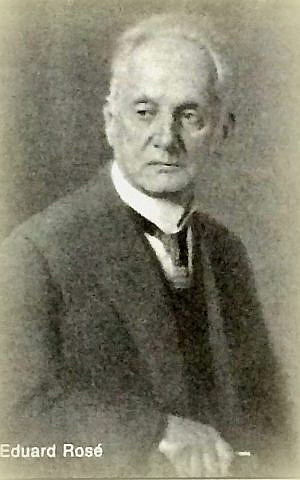 Eduard Rose, eminent cellist murdered in Tereziensdadt in 1943 in the age of 83. Courtesy: The Mahler Foundation.
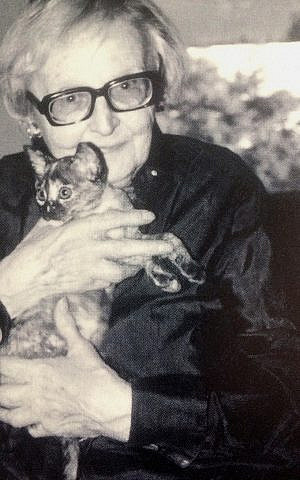 Eleanor Rose in her flat in London in the 1980s. Courtesy: Rose family archive.
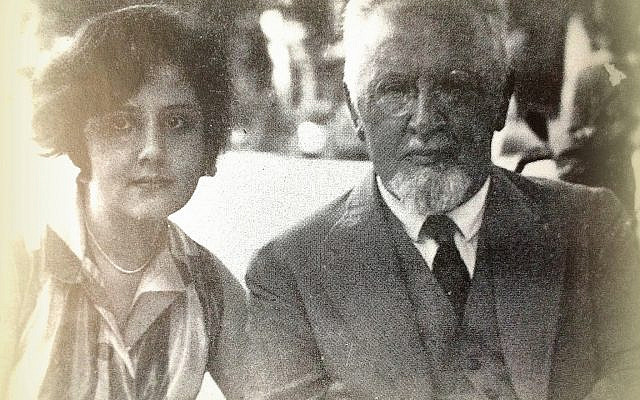 Arnold and Alma Rose in 1927 , a year before making that only known record of them playing together and only known record of Alma Rose. Courtesy: The Gustav Mahler-Alfred Rose Archive.
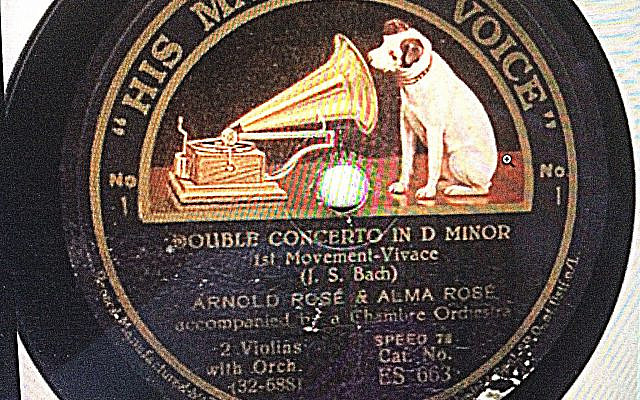 Inna Rogatchi (C). Arnold & Alma Rose original record. Fine Art Photography Collage. 2012. Presentation material (C).
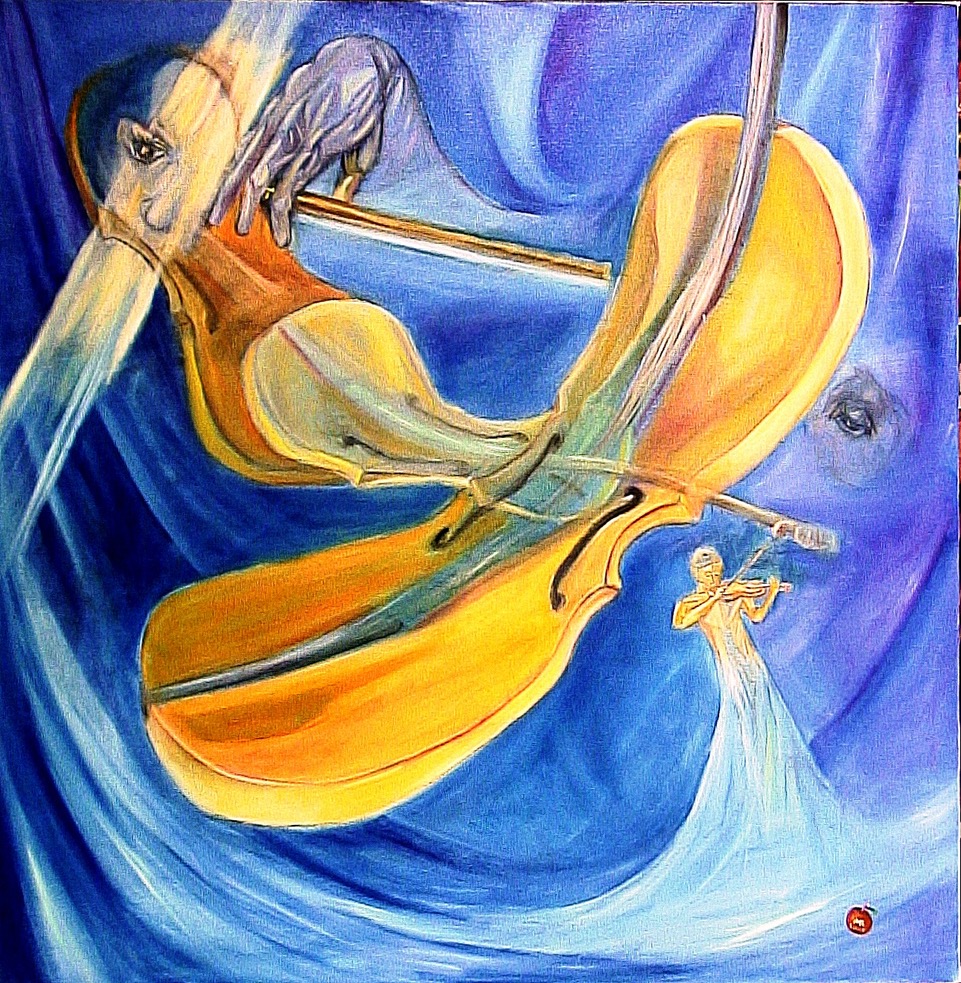 Michael Rogatchi (C). J.-S. Bach. Concerto for Two Violins in D Minor. Oil on canvas. 120 x 100 cm. 2007. Private collection.
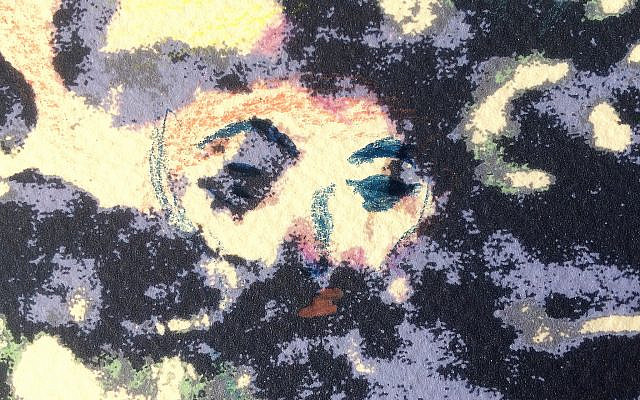 Inna Rogatchi (C). Cloud View II. Fragment V. Crayons a encre, crayons Luminance on authored original archival print on watercolour 350 mg paper. 42 x 59 cm. 2019-2020. Ghetto Waltz and The Songs of Our Souls series.